

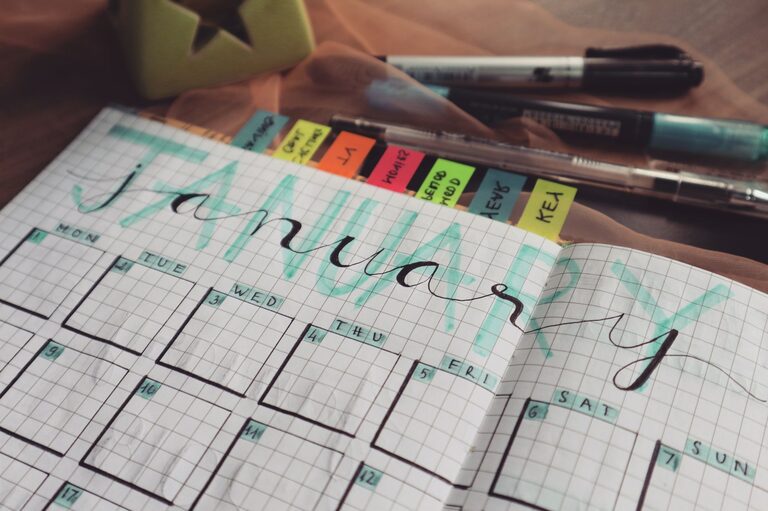
Taking a weekend off should be a time to relax, recharge, and enjoy yourself. However, many people find that their weekends end up being just as hectic, if not more so, than their weekdays. Planning a no-stress weekend doesn’t mean you have to fill every minute with activities; instead, it’s about intentional choices that help reduce pressure and maximize relaxation. This guide offers practical tips to help you create a peaceful, enjoyable weekend.
Why Planning Matters for a Stress-Free Weekend
Without some planning, weekends can quickly become overwhelming. You might feel guilty for resting, scramble to fit in chores, or get caught up in last-minute commitments. Taking a proactive approach allows you to set boundaries and prioritize what truly refreshes you.
Step 1: Set Clear Intentions
Before anything else, ask yourself what you want out of your weekend. Do you need more rest, creative time, social connection, or simply a break from screens? Writing down your goals can help you stay focused.
– Examples of weekend intentions:
– “I want to relax without guilt.”
– “I will spend time outside.”
– “I’ll reconnect with friends or family.”
– “I’ll try one new hobby or recipe.”
Step 2: Create a Loose Schedule or Outline
Rigid plans can sometimes add stress, so aim for a flexible outline instead. This might include:
– Blocks of time for relaxation or hobbies.
– Time set aside for errands or chores to avoid last-minute stress.
– Meals planned or prepped in advance.
– An early bedtime to start Monday energized.
Keep it simple. For example:
| Time | Activity |
|—————|———————–|
| Morning | Walk or light exercise|
| Late morning | Leisure reading or hobby|
| Afternoon | Errands or meal prep |
| Evening | Movie or family time |
Step 3: Minimize Digital Distractions
Technology can easily increase stress through work emails, news, or social media. Consider:
– Setting specific times to check your phone or email.
– Turning off notifications.
– Using apps that limit screen time.
– Replacing screen time with offline activities like reading, journaling, or crafting.
Step 4: Prioritize Self-Care Activities
Self-care is personal and can be small or elaborate. Think about what makes you feel calm and happy. Here are some ideas:
– Taking a long bath or shower.
– Meditating or practicing deep breathing.
– Going for a nature walk or visiting a park.
– Cooking a favorite meal.
– Doing light stretching or yoga.
– Listening to music or podcasts you enjoy.
Step 5: Plan Meals Ahead
Food can either be a stressor or a source of comfort. Planning meals ahead can make weekends easier and more enjoyable.
– Prepare meals on Friday evening.
– Choose simple, nourishing recipes.
– Stock up on healthy snacks.
– Consider ordering takeout from a favorite local spot for a treat.
Step 6: Set Boundaries With Others
Sometimes, well-meaning friends or family may ask you to make last-minute plans. It’s okay to say no or suggest a different day if you need downtime. Communicating your needs respectfully helps others understand that your rest is important.
Step 7: Allow Time for Spontaneity
While planning is helpful, leave some space in your schedule for spontaneous fun or relaxation. Sometimes the best moments happen when you least expect them.
Bonus Tips for a No-Stress Weekend
– Declutter a little: A tidy space can help calm your mind, but don’t spend the whole weekend cleaning.
– Get outside: Natural light and fresh air improve mood and energy.
– Limit multitasking: Focus on one thing at a time to feel more present.
– Practice gratitude: Reflect on small joys during the day to boost positive feelings.
Sample No-Stress Weekend Plan
Friday evening: Prepare a simple meal and write down your weekend intentions.
Saturday:
– Morning: Gentle yoga and breakfast
– Late morning: Leisure reading or hobby time
– Afternoon: Nature walk and meal prep
– Evening: Movie night or board games with family
Sunday:
– Morning: Sleep in and light stretching
– Late morning: Visit a local café or spend time journaling
– Afternoon: Declutter a small area or try a new recipe
– Evening: Early bedtime and prepare for the week ahead
—
Planning a no-stress weekend is about balance and kindness to yourself. By setting realistic goals, managing your time thoughtfully, and focusing on what brings you peace, you can turn your weekends into truly restorative moments. Give yourself permission to relax and enjoy the simple pleasures.