

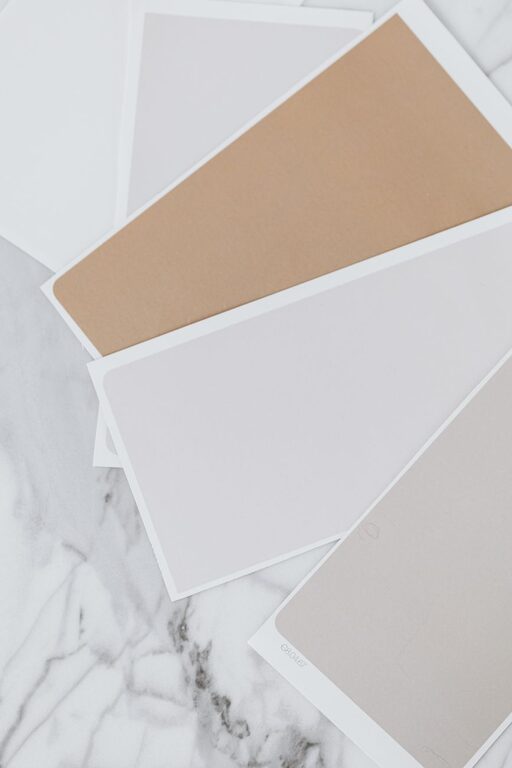
Creating a peaceful atmosphere in your home starts with choosing the right colors. Calm colors can transform any space into a relaxing retreat, helping you unwind after a busy day. Whether you’re refreshing a single room or redecorating your entire house, selecting soothing hues is key to achieving tranquility. In this post, we’ll explore practical tips to help you pick calm colors that suit your style and enhance your living environment.
Why Choose Calm Colors?
Calm colors are typically soft, muted tones that evoke feelings of peace and balance. These colors can reduce stress, improve focus, and boost your overall mood at home. Unlike bold or bright colors, calm shades create a gentle backdrop that allows you to relax and feel comfortable.
Common calm colors include:
– Soft blues
– Light greens
– Warm neutrals like beige and taupe
– Pale lavenders
– Gentle grays
Understand the Mood You Want to Create
Before selecting your colors, think about how you want to feel in the space. Different calm colors can influence your mood slightly differently:
– Blues: Often associated with calmness and serenity, ideal for bedrooms and bathrooms.
– Greens: Bring a sense of nature indoors, promoting balance and renewal.
– Neutrals: Warm or cool neutrals are versatile and create a cozy, inviting atmosphere.
– Lavenders and soft purples: Encourage relaxation and creativity, great for living rooms and workspaces.
Knowing your desired mood will guide your color choices and help you create a room that suits your lifestyle.
Tips for Choosing Calm Colors for Your Home
1. Start with a Neutral Base
Using neutral colors as your base makes it easier to incorporate calm tones without overwhelming the space. Whites, creams, light grays, and soft beiges create a clean canvas that complements almost any calming color palette.
2. Consider the Room’s Lighting
Lighting plays a crucial role in how colors appear. Natural light enhances calming colors by making them look fresher and softer. In rooms with limited natural light, opt for warmer calm tones like warm beige or muted greens to add coziness.
3. Test Samples on Your Walls
Colors can look different depending on the time of day and the room’s lighting. Always test paint samples on your walls before committing. Paint a small area and observe it at different times of the day to see how the color changes with the light.
4. Use Color Shades and Tints
Calm colors work best when you use a variety of shades and tints to add depth and interest. For example, pair a pale blue with a deeper blue accent or combine soft taupe with a slightly darker brown. This layering technique keeps your room from feeling flat while maintaining a calm vibe.
5. Limit Bold Accents
While calm colors should dominate, adding small pops of brighter colors can add personality without disrupting tranquility. Use these accents sparingly through decor like pillows, artwork, or rugs.
6. Match Colors to Your Style
Your calm color palette should reflect your personal taste. Whether you prefer classic, modern, rustic, or minimalist design, there are calm color options that work well. For example, a minimalist space might lean towards cool grays and whites, while rustic interiors can benefit from warm earth tones.
7. Think Beyond Walls
Paint isn’t the only way to bring calm colors into your home. Consider soft furnishings, curtains, rugs, and accessories in your chosen color palette. Mixing textures alongside calm colors enhances the cozy, soothing effect.
Popular Calm Color Palettes to Consider
Soft Blue & White
This classic combination evokes a coastal feel and is perfect for bedrooms and bathrooms. Soft blues paired with crisp white trim create a fresh, airy atmosphere.
Sage Green & Warm Beige
Sage green brings a natural touch, while beige adds warmth. This palette works beautifully in living rooms and kitchens aiming for a cozy yet elegant look.
Light Gray & Lavender
Light gray provides a neutral background that complements subtle lavender accents. This pairing is gentle and sophisticated, ideal for home offices or guest rooms.
Cream & Muted Earth Tones
Cream walls combined with muted browns, rusts, or soft terracotta can create a welcoming space full of warmth and depth.
Final Thoughts
Choosing calm colors for your home is about balancing your personal preferences with the atmosphere you want to create. Remember to consider lighting, test samples, and layer shades for a harmonious look. With these tips, you can select colors that make your home a peaceful sanctuary where you and your family love to spend time.
Experiment, take your time, and most importantly—choose colors that make you feel truly at ease. Your home should be a reflection of calm and comfort.